Category: Uncategorized

  • How to Clean and Store a Love Doll Safely

    A good care routine is not complicated, but it must be consistent. The priorities are material-compatible products, complete drying, and storage without pressure on vulnerable joints or soft surfaces.

    Check the manufacturer’s instructions

    Before using any cleaner, powder, repair product, or storage device, read the instructions for that model. TPE and silicone formulations vary. Test any new product on a hidden area before wider use.

    Prepare and clean gently

    Use clean towels, lukewarm water, the recommended mild cleanser, and a soft cloth. Remove jewelry and cover sharp edges. Support the doll while moving it; do not lift by a wrist, ankle, finger, or head unless the manufacturer says that point is safe.

    Wipe external surfaces without abrasive brushes or aggressive scrubbing. Avoid immersing electrical parts, heating elements, speakers, or internal frames.

    Dry completely

    Pat the surface dry with a lint-free towel and allow remaining moisture to air-dry. Internal cavities may require an approved drying tool. Do not apply powder or close the doll in a container while moisture remains.

    Store with low pressure

    Common options include lying flat on a supportive surface or using a compatible hanging system. Avoid sharp bends at the hips, knees, wrists, or neck. Keep the surface away from dark fabrics, direct sunlight, heaters, pets, and sharp objects.

    Keep a simple care log

    Record cleaning dates, products used, and any new stain, tear, loose joint, or odor. Cleaning promptly, drying thoroughly, and storing without concentrated pressure does more for long-term condition than complicated maintenance rituals.
  • Welcome to Love Doll Palace

    Love doll materials and care

    Practical guidance for choosing, caring for, and storing an adult love doll

    Love Doll Palace is an independent, adults-only information site. We explain materials, maintenance, storage, privacy, and the practical questions that are easy to overlook before buying. This site does not sell dolls and is not the former retailer that previously used this domain.

    Start with the basics

    • Materials: Understand the everyday differences between TPE and silicone.
    • Care and storage: Build a repeatable cleaning, drying, and storage routine.
    • Buying basics: Think through weight, dimensions, storage space, and seller policies before ordering.
    • Privacy: Plan delivery, packaging disposal, and secure storage in advance.

    All content is for adults aged 18 and older. Product instructions and seller policies always take priority over general guidance on this site.

  • TPE vs Silicone Love Dolls: Materials, Care, and Tradeoffs

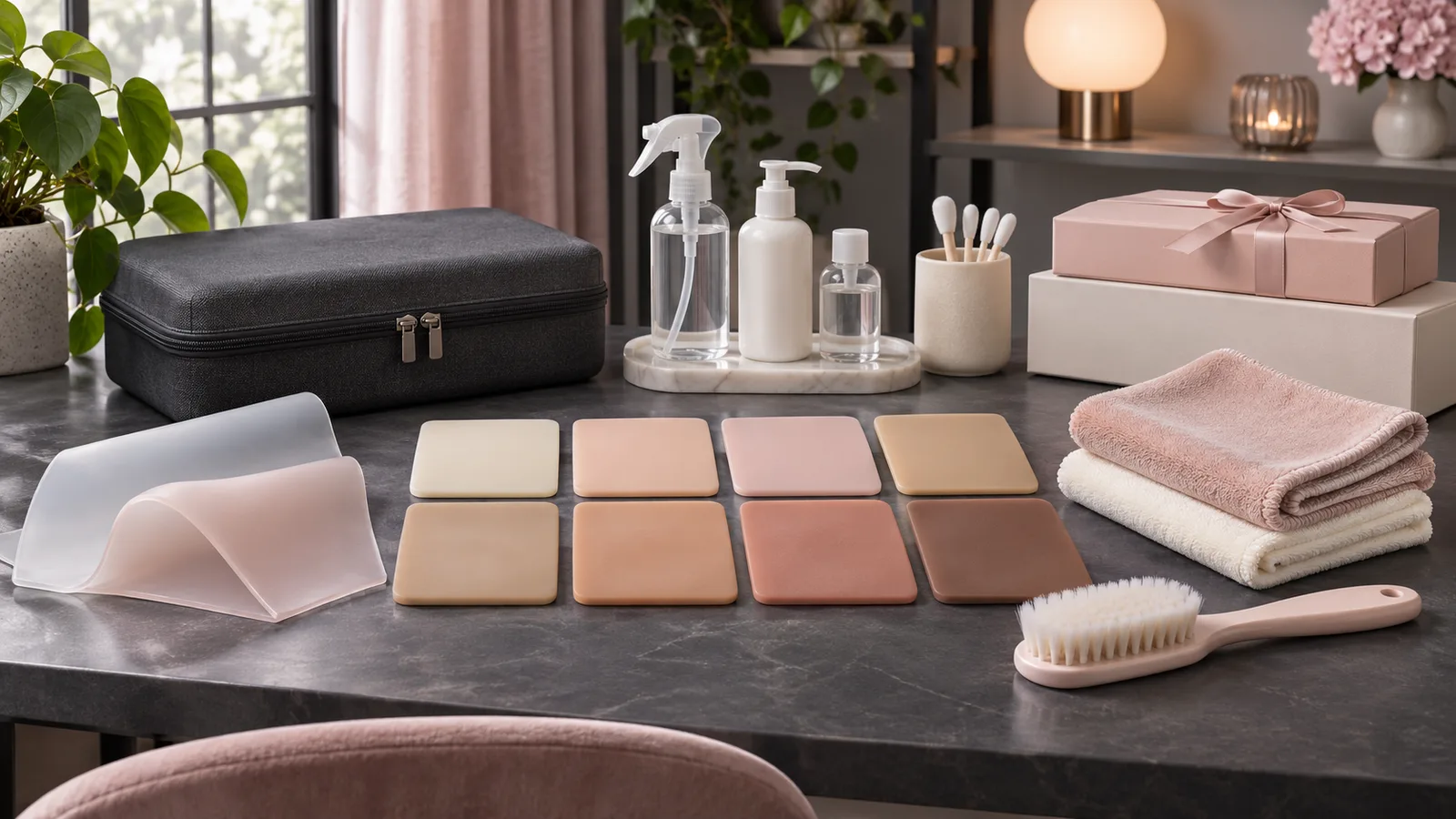
    TPE and silicone love doll material comparison

    Choosing between TPE and silicone is less about finding a universally better material and more about deciding which tradeoffs fit your budget, handling preferences, and willingness to perform routine care.

    The practical difference

    TPE is usually softer and more elastic. It is often chosen by buyers who prioritize a pliable feel and lower initial price. Silicone is generally less porous, holds fine sculpted detail well, and may tolerate careful handling with less surface tack. These are broad tendencies, not guarantees, so ask for the exact care instructions and warranty terms.

    Cleaning and drying

    TPE can require more attention to complete drying because moisture may remain in folds or openings. Silicone is typically easier to wipe clean, but seams, textured areas, and internal cavities still need careful drying. Neither material should be stored damp.

    Use only cleaners and powders approved by the manufacturer. Strong solvents, unknown oils, high heat, and abrasive scrubbing can damage either surface.

    Staining, repairs, and weight

    Dark dyes can transfer to both materials. Wash new clothing separately, prefer light colors for long wear, and test fabric on a sample piece when possible. TPE repair products and silicone adhesives are not interchangeable. Check whether the seller supplies written instructions, repair kits, replacement parts, or a repair service.

    Full-size models can also be difficult for one person to lift safely. Check the listed weight, measure the route from delivery to storage, and decide where routine cleaning will happen before ordering.

    A simple decision rule

    Choose TPE when softness and price lead your priorities and you accept a deliberate maintenance routine. Consider silicone when surface detail, less porous construction, and easier wipe-down care matter more than the typical price difference. Compare the specific model and seller support, not only the material label.